


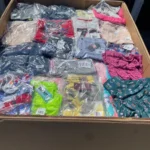
Mixed Shoes (Pallet)
$600.00
Mixed Shoes (Pallet)
- Brand new shoe items
- Comes with box
- 300 Units per pallet
- Mixed Gender category
- Most frequent shoe brands:
- Discounted Deal
- Order Now
Mixed Shoes (Pallet): The Best Bulk Footwear Inventory for Resellers, Retailers, and Wholesalers
The footwear market continues to grow year after year, and Mixed Shoes Pallets have become one of the most profitable ways to source inventory at scale. From sneakers and casual shoes to boots, sandals, and kids’ footwear, these pallets deliver variety, value, and opportunity in one bulk purchase.
This complete guide covers everything needed to confidently buy mixed shoe pallets and turn them into consistent revenue.
What Is a Mixed Shoes Pallet?
A Mixed Shoes (Pallet) is a bulk shipment of footwear packed together on a pallet, typically sourced from retail liquidation channels, warehouse overstock, closeouts, and distribution surplus. These pallets often contain a wide assortment of shoes across multiple categories, including:
-
Men’s shoes
-
Women’s shoes
-
Kids’ and toddler shoes
-
Casual everyday footwear
-
Boots and seasonal styles
-
Sandals and summer footwear
Mixed shoe pallets are designed for resellers who want access to a diversified footwear inventory without having to source products individually.
Why Mixed Shoes Pallets Are a Smart Wholesale Purchase
Footwear is a consistent consumer need. This ongoing demand makes mixed shoe pallets a powerful inventory category for resale.
Key benefits include:
High Product Variety
A mixed pallet delivers multiple shoe styles and customer segments in one shipment, increasing sales potential.
Strong Profit Margins
Bulk purchasing allows a lower cost per pair, creating room for competitive pricing while protecting profit.
Fast Turnover Inventory
Shoes sell quickly when the assortment includes everyday categories like sneakers, casual shoes, and children’s footwear.
Multiple Resale Channels
Mixed shoes pallets are ideal for local retail, online marketplaces, discount outlets, and wholesale resale lots.
What Types of Shoes Are Included in a Mixed Shoes Pallet
A strong mixed pallet typically offers broad category coverage to meet different customer needs.
Sneakers and Athletic Shoes
Sneakers remain one of the top-selling categories globally. Mixed pallets often include:
-
Running shoes
-
Training shoes
-
Lifestyle sneakers
-
Walking shoes
-
Sport-style casual sneakers
Casual Shoes and Everyday Footwear
Casual shoes serve customers who want comfort and simplicity. Pallets may include:
-
Slip-on shoes
-
Low-top casual shoes
-
Everyday lace-up shoes
-
Comfort footwear
These products appeal to a wide range of customers and sell well year-round.
Boots and Seasonal Footwear
Common boot categories:
-
Ankle boots
-
Work boots
-
Winter boots
-
Fashion boots
Seasonal footwear can be extremely profitable when stocked at the right time.
Sandals, Slides, and Summer Shoes
Warm-weather footwear sells quickly during spring and summer and often includes:
-
Casual sandals
-
Slides and slip-ons
-
Outdoor summer footwear
-
Flip-flops
These styles are easy to display in-store and perform well in bundle deals.
Kids’ Shoes and Back-to-School Footwear
Kids grow quickly, which creates constant demand for new shoes. Many mixed pallets include:
-
School shoes
-
Kids sneakers
-
Toddler shoes
-
Sports shoes for children
Kids footwear is one of the strongest categories for consistent resale, especially during back-to-school seasons.
How Mixed Shoes Pallets Are Sourced
Mixed footwear pallets are commonly built from inventory streams such as:
-
Retail overstock
-
Closeout liquidation
-
Shelf pulls
-
Excess warehouse inventory
-
Customer returns (depending on pallet type)
Understanding the inventory source helps us predict condition, packaging quality, and resale strategy.
Condition Types in Mixed Shoe Pallets
Footwear pallets come in different conditions, and selecting the right type determines profitability.
Overstock Mixed Shoes Pallet
Overstock pallets typically include shoes that are:
-
New and unused
-
Shelf-ready
-
Often in original boxes
This is one of the best options for fast resale.
Shelf Pull Mixed Shoes Pallet
Shelf pull pallets may include shoes with:
-
Minor box wear
-
Price label marks
-
Light handling signs
Customer Return Mixed Shoes Pallet
-
Were tried on
-
Have damaged packaging
-
May show slight wear
How We Evaluate a Profitable Mixed Shoes Pallet
Key evaluation factors include:
Shoe Size Distribution
A balanced size range improves resale speed. The best pallets include:
-
High-demand sizes
-
Variety for men, women, and kids
-
Minimal extreme sizes that are harder to sell
Brand Variety
Mixed pallets may include a mix of:
-
Mainstream brands
-
Store brands
-
Private label footwear
-
Athletic and casual manufacturers
A strong brand mix increases buyer confidence.
Box Condition and Packaging
Shoes with original boxes typically sell faster and command higher resale prices.
Best Ways to Resell Mixed Shoes from Pallets
Footwear is extremely flexible to sell across multiple channels. We maximize profits by matching product type to the best selling platform.
Retail Store and Discount Outlet Sales
Best in-store selling tactics:
-
size-organized displays
-
clearly labeled discount pricing
-
seasonal footwear sections
-
bundle promotions for kids shoes
Online Marketplace Selling
Selling online allows us to reach national and global buyers.
Online selling advantages:
-
higher pricing for popular styles
-
better reach for specific sizes
-
ability to sell niche footwear to targeted customers
For online success, clear product photos and accurate condition descriptions are essential.
Wholesale Resale to Other Buyers
Some resellers profit by splitting pallets into smaller lots for resale to:
-
flea market sellers
-
small boutiques
-
local resellers
-
discount shop owners
This strategy helps turn inventory quickly into cash flow.
Pricing Strategy for Mixed Shoes Pallet Inventory
Profitability comes from pricing based on condition and demand.
Strong pricing approaches include:
Tier Pricing by Condition
We separate inventory into:
-
new in box
-
new without box
-
open box
-
lightly worn
-
clearance pairs
Each tier receives its own pricing structure for consistent sales speed.
Bundle Offers
Bundling works well for:
-
kids shoes
-
casual sandals
-
clearance pairs
Bundles increase average order value and reduce slow-moving inventory.
Seasonal Pricing
-
sandals in spring and summer
-
boots in fall and winter
-
school shoes in back-to-school months
Storage and Handling Tips for Bulk Footwear
To protect shoe quality and maintain resale value, we store pallets properly.
Best practices include:
-
keep pallets dry and dust-free
-
avoid stacking that crushes boxes
-
organize by size and category
-
label inventory for easy picking
Efficient storage improves workflow and reduces product loss.
Common Mistakes to Avoid When Buying Mixed Shoes Pallets
To protect margins and avoid slow-moving inventory, we avoid:
-
buying without checking pallet condition type
-
ignoring size distribution
-
overpaying for low-demand styles
-
failing to inspect footwear for defects
-
storing shoes in humid environments
Avoiding these mistakes ensures smoother sales and stronger returns.
Why Mixed Shoes Pallets Support Long-Term Resale Growth
Customers buy footwear for comfort, work, fitness, school, travel, and fashion. With the right pallet mix, strong sorting practices, and efficient selling systems, mixed shoes pallets provide:
-
continuous resale demand
-
broad category coverage
-
repeat customer opportunities
-
scalable inventory replenishment
-
high profit potential


Reviews
There are no reviews yet.